

At TheRemodelers.org we don't sell anything. Instead we provide information that helps our community make decisions regarding home improvement services and projects. Click below for recommended licensed professionals that provide free no obligation quotes.
Siding: The Complete Homeowner's Guide
 Siding Replacement Cost: What Homeowners Should Actually Expect
TheRemodelers brings together licensed siding contractors and industry professionals to help homeowners understand siding replacement — what it costs, which materials hold up best in different climates, how long installation takes, and how to choose a contractor who installs correctly the first time.
Siding is the largest visible surface on most homes. When it starts to fade, warp, crack, or let water behind it, the question stops being whether to replace it and becomes what it will cost, which material makes sense for your climate, and whether the contractor standing in your driveway knows what they are doing.
This guide covers everything you need to know before that conversation happens. What siding replacement costs in 2026, what drives that number up or down, which materials perform best in different climates, how to tell when repair is no longer enough, what to expect during installation, and what to look for in a contractor. The goal is to give you enough information to make a confident decision before anyone puts a ladder against your house.
What Siding Replacement Costs in 2026
Siding is priced per square foot of exterior wall surface — not the interior square footage of your home. A 2,000 square foot house typically has 1,500 to 2,200 square feet of exterior wall area depending on the number of stories and the home's footprint. Understanding the per-square-foot cost lets you estimate your project and compare quotes on equal terms.
For a typical 2,000 square foot home with approximately 1,800 square feet of exterior wall surface, here is what each material costs installed in 2026:
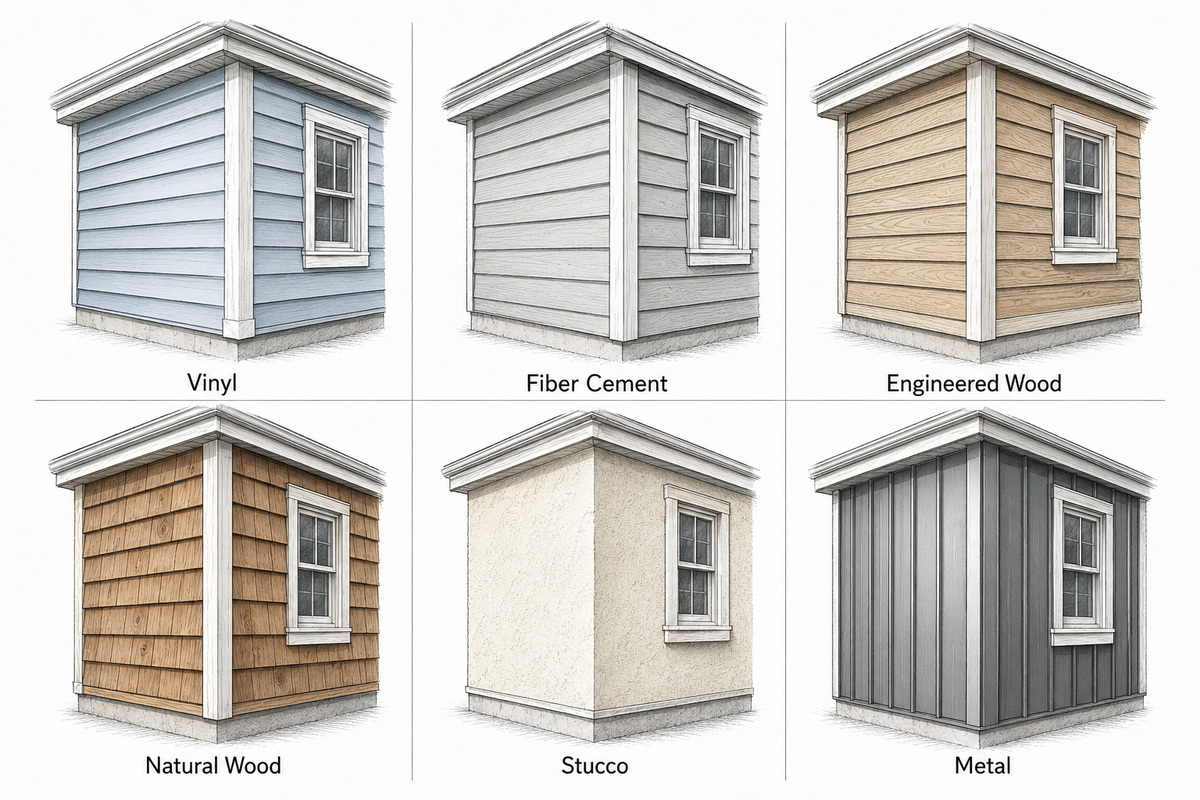
Vinyl siding: $6,000 to $16,000
Fiber cement siding: $12,000 to $27,000
Engineered wood siding: $10,000 to $22,000
Natural wood siding: $15,000 to $32,000
Stucco: $12,000 to $22,000
Metal siding: $14,000 to $28,000
These ranges assume standard installation with tear-off of one existing layer. Premium profiles, complex architecture, and homes requiring significant sheathing repair after tear-off push costs toward the upper end. The guide to siding types, pros, cons, and cost covers what goes into each material's installed price in more detail. For a complete, itemized breakdown of 2026 siding replacement costs by material, region, and project scope, the guide to siding replacement cost in 2026 covers every factor in one place.
What Drives Siding Replacement Cost Up or Down
Two homes of identical interior square footage can produce siding quotes that differ by thousands of dollars. Here is what is actually moving that number.
Exterior wall surface area is the primary driver. More wall area means more material and more labor. A two-story home has less exterior wall surface per square foot of interior space than a single-story ranch because the foundation perimeter is smaller. A sprawling ranch with the same interior square footage as a compact two-story has significantly more siding to cover and will cost more.
Architectural complexity drives labor cost up. A simple rectangular home with four corners is the most efficient to side. Every additional corner, gable, dormer, bay window, and wall penetration adds cuts, trim work, and flashing that multiply labor time. A home with complex roof lines and multiple bump-outs can cost 25 to 40 percent more per square foot of wall surface than a simple box of the same square footage.
Old siding removal adds cost. Tear-off and disposal of existing siding runs $1 to $3 per square foot depending on the material being removed — vinyl is lighter and faster to remove than wood or stucco. If the existing siding can stay in place and new siding is installed over it — vinyl over wood lap siding, for example — this cost is eliminated. Not every situation allows overlay. If the existing siding has rot, water damage, or mold beneath it, or if the new material is heavier and requires direct fastening to sheathing, tear-off is required regardless.
Sheathing repair adds unpredictable cost. Once old siding comes off, the crew sees the condition of the OSB or plywood sheathing beneath. Rotted sections around windows, doors, and the bottom course of siding are common discoveries on older homes and on walls with known water exposure from failed flashing or leaking gutters. Budgeting 10 to 15 percent above the quoted number for sheathing repair prevents the project from stalling when these discoveries surface.
Trim and fascia work is often part of the same project. Replacing siding frequently reveals damaged window trim, corner boards, fascia, and soffit that were not visible before the old siding came off. These components are functionally part of the exterior envelope and should be replaced when compromised. The guide to siding materials by type covers how trim and accessory costs vary by material choice.
Insulation added under new siding improves the home's thermal envelope and adds $1 to $3 per square foot. Rigid foam insulation board creates a continuous thermal break across the entire wall surface, reducing air infiltration and improving comfort in rooms that were previously drafty or hard to heat and cool. This is worth considering on older homes with minimal wall insulation, and it also provides a flatter, more stable surface for the new siding.
Siding Materials: What Your Options Actually Are
The material you choose affects upfront cost, lifespan, maintenance commitment, and how the home looks from the street for as long as you own it. Here is an honest look at each option.
 Vinyl Siding
Vinyl is the most widely installed siding material in the United States. It costs $3 to $8 per square foot installed, requires essentially no maintenance beyond occasional cleaning, and comes in more colors and profiles than most homeowners realize. The complete vinyl siding guide covers profile types, installation basics, and what separates a good vinyl job from a bad one in more depth.
Standard builder-grade vinyl runs .040 to .044 inches thick with a basic profile and limited color options. Premium vinyl — .046 inch or thicker, with deeper shadow lines, insulated backing, and extended color ranges — costs more but looks better from the street, resists impact better, and feels more solid when pressed. The difference between a .040 and a .046 panel is visible: the thicker panel lays flatter against the wall and tolerates uneven sheathing better without telegraphing the waviness beneath.
Insulated vinyl siding has rigid foam laminated to the back of each panel, providing a modest R-value improvement of R-2 to R-4 and making the siding feel substantially more solid. The insulation also helps the panels resist warping in high heat by reducing the temperature differential between the face of the panel and the wall behind it.
The tradeoffs are appearance and impact resistance. Vinyl does not replicate the look of painted wood up close — the shadow lines are different, the corners and trim are visibly plastic to anyone standing near them, and the surface has a slight sheen that painted wood does not. In extreme cold, vinyl becomes brittle and can crack from a hard impact — a stone from a mower, a falling branch, or even an errant baseball. Individual damaged panels can be replaced, but matching color on siding that has weathered for several years is difficult because UV exposure changes the color slightly over time. The overview of vinyl siding problems covers what to watch for if your home already has vinyl siding and you are trying to decide whether to repair or replace it.
Fiber Cement Siding
Fiber cement — most commonly associated with the James Hardie brand — is the fastest-growing siding material in the residential market. It costs $6 to $12 per square foot installed, roughly double the installed cost of vinyl.
Fiber cement offers the appearance of wood siding with significantly lower maintenance. It is made from cement, sand, and cellulose fibers, creating a material that resists rot, insect damage, and fire — it is non-combustible, a meaningful consideration in wildfire-prone areas. It holds paint longer than wood because the material is dimensionally stable and does not expand and contract with moisture the way wood does. Factory-finished fiber cement with a baked-on color finish carries a 15-year finish warranty, meaning no repainting for at least that period.
The installed cost is higher than vinyl, but the lifespan — 30 to 50 years when properly installed — is longer and the curb appeal is noticeably better. Fiber cement has a thicker, more substantial look than vinyl. The shadow lines between courses read more like wood from the street. For homeowners planning to stay in the home long term, fiber cement typically delivers the best combination of appearance, durability, and long-term value of any siding material currently available. The comparison of vinyl vs fiber cement siding covers the decision in more detail for homeowners choosing between the two most popular siding materials.
Engineered Wood Siding
Engineered wood siding — LP SmartSide is the most common brand — is made from wood strands bonded with resin and treated with zinc borate for moisture and insect resistance. It costs $5 to $10 per square foot installed. The full breakdown of engineered wood siding pros and cons covers how it compares to natural wood and fiber cement in more detail.
It offers a wood appearance at a lower cost than natural wood or fiber cement. The impact resistance is better than either — it stands up to hail, debris, and everyday bumps better than fiber cement, which can crack under impact. The product is lighter than fiber cement and installs faster because it cuts with standard woodworking tools without the silica dust concerns that require specialized dust collection when cutting fiber cement.
Engineered wood still needs periodic painting or refinishing on a similar cycle to natural wood. Pre-finished products with factory-applied color extend the time before repainting is needed. The warranty on engineered wood products is typically longer and more comprehensive than on natural wood because the manufacturing process controls the material properties more precisely than nature does.
Natural Wood Siding
Cedar lap siding, shingles, shakes, and board-and-batten in natural wood are the premium appearance option. Costs run $8 to $15 per square foot installed depending on the wood species, grade, profile, and finish level. Clear cedar — free of knots and imperfections — costs significantly more than knotty grades. Shingles and shakes cost more to install than horizontal lap because each piece is individually fastened.
Wood siding looks unmistakably different from manufactured alternatives. The depth, grain, and character of real wood are visible from the street in a way that photographs do not fully capture. If your home is in a historic district or your neighborhood has predominantly natural wood exteriors, wood may be the only option that preserves the architectural character of the home.
The maintenance commitment is real. Wood requires periodic painting or staining to prevent moisture damage, rot, and insect intrusion. The frequency depends on climate and sun exposure — every 5 to 10 years is typical for painted wood siding, every 3 to 5 years for stained. A south-facing wall in a wet climate needs attention more frequently than a north-facing wall in a dry climate. If you are not willing to maintain wood siding on its schedule, choose a manufactured alternative — the siding does not care whether you are busy this year.
Thermally modified wood siding is a real alternative worth knowing about — a heat-treatment process that improves rot and moisture resistance without chemical treatment, at a different cost and performance profile than standard cedar. The guide to thermally modified wood siding covers how the process works and where it fits compared to standard natural wood.
Stucco
Traditional three-coat stucco and synthetic stucco systems cost $6 to $10 per square foot installed. Stucco is most common in the Southwest and Florida, where the climate suits the material and the regional installer base is experienced with the application method.
Traditional three-coat stucco is applied over a weather-resistant barrier and metal lath in three layers — scratch coat, brown coat, and finish coat — each applied and cured before the next goes on. This process takes longer than other siding installations but produces an exterior that is extremely durable, fire-resistant, and capable of lasting 50 years or more when properly applied. The finish coat can be tinted in a wide range of colors and textures, from smooth to heavily textured.
Stucco requires an installer who specializes in it. Improper application — incorrect mix ratios, insufficient curing time between coats, poor flashing integration — leads to cracking and moisture intrusion that are expensive to repair and will not show up until years after the job is done. In regions where stucco is uncommon, finding a qualified installer is genuinely challenging. Do not hire a contractor who does not specialize in stucco to do a stucco installation.
The comparison of stucco versus other siding types covers how it stacks up against vinyl and fiber cement on cost and performance. For a real example of stucco paired with vinyl on the same home, the stucco and vinyl siding home makeover shows how the combination looks in practice.
Metal Siding
Steel and aluminum siding — most commonly vertical panels associated with agricultural and industrial buildings — has moved into the residential market in recent years as a design-forward material on modern and contemporary homes. It costs $8 to $15 per square foot installed.
Metal siding is extremely durable, fire-resistant, requires essentially no maintenance, and can last 40 to 60 years. The limiting factor is aesthetic — metal siding has a specific look that does not suit every architectural style or every neighborhood. In the right context — a modern home with clean lines, for example — metal siding looks intentional and striking. On a traditional colonial or craftsman home, it looks out of place and can reduce resale appeal.
The full guide to metal siding pros, cons, and cost covers steel and aluminum options in more detail. For aluminum specifically, the aluminum siding replacement cost guide breaks down pricing for that particular material.
Cost by Home Size: What Real Numbers Look Like
To make cost estimates more concrete, here is what each material typically costs across common home sizes. All figures include tear-off of one existing layer, standard trim, and professional installation.
Small home — approximately 1,200 sq ft of exterior wall surface (typical 1,500 sq ft interior single-story ranch):
Vinyl: $5,000 to $10,000
Fiber cement: $9,000 to $15,000
Engineered wood: $7,000 to $13,000
Natural wood: $10,000 to $19,000
Stucco: $8,000 to $13,000
Medium home — approximately 1,800 sq ft of exterior wall surface (typical 2,000 sq ft interior two-story):
Vinyl: $6,000 to $16,000
Fiber cement: $12,000 to $22,000
Engineered wood: $10,000 to $19,000
Natural wood: $15,000 to $28,000
Stucco: $12,000 to $19,000
Large home — approximately 2,500 sq ft of exterior wall surface (typical 3,000+ sq ft interior):
Vinyl: $10,000 to $22,000
Fiber cement: $18,000 to $32,000
Engineered wood: $14,000 to $27,000
Natural wood: $22,000 to $40,000
Stucco: $17,000 to $27,000
These are ranges, not quotes. Your actual cost depends on your home's specific architecture, the product and profile you choose, and the contractor you hire. Getting three detailed quotes from licensed siding contractors in your area is the only way to know your real number. The guide to calculating siding materials and cost explains how to estimate your home's exterior wall area and compare contractor quotes on equal terms.
Regional Cost Differences
Where your home is located affects what you pay for siding replacement, sometimes significantly. Labor is the main variable — siding crews in high cost-of-living markets earn more, and that difference flows directly into your quote.
The Northeast and Pacific Coast consistently come in above the national average on labor. The Midwest and Southeast tend to run below. Coastal metros can run 30 to 50 percent higher than the national average for the same scope and product — a $15,000 fiber cement installation in Ohio may cost $22,000 in the Bay Area. The siding material itself costs roughly the same nationally, so the labor differential is the main source of regional price variation.
Regional material preferences affect cost in a different way. In the Southwest, stucco contractors are plentiful and pricing is competitive because the material is standard on most homes. In the Northeast, finding a stucco contractor is harder and pricing reflects the scarcity and the smaller competitive pool. The same dynamic applies to fiber cement in markets where it has replaced wood as the default premium siding choice — more installers, more competitive pricing.
Climate dictates material suitability as much as cost. Vinyl performs differently in extreme cold than in temperate climates — it becomes brittle in sustained sub-zero temperatures and is more susceptible to impact damage. Dark-colored vinyl in extreme heat can warp or buckle if installed without proper expansion allowance. Fiber cement's fire resistance matters more in wildfire-prone western states than in the humid Southeast. Wood siding in wet, humid climates requires more frequent maintenance than the same wood in a dry climate. The guide to the best siding styles and materials covers how climate affects material choice in more detail.
Siding Repair vs. Replacement: How to Decide
Not every siding problem requires full replacement. Understanding when repair is the right call and when it is just delaying the inevitable saves money and frustration.
Repair makes sense when the damage is isolated — a few cracked or warped vinyl panels, a section of wood siding with peeling paint and early rot, a small area of stucco cracking around a window. When the rest of the siding is in sound condition with meaningful life remaining, targeted repair is cost-effective. The guide to repairing vinyl siding covers what minor vinyl siding repair involves and when a homeowner with basic tools can handle it themselves.
Replacement makes more sense when the damage is widespread across multiple walls, when moisture has penetrated behind the siding into the sheathing, when the siding is visibly failing — warped, faded beyond cosmetic, cracked in patterns that suggest systemic issues rather than isolated impacts — or when the material has reached the end of its expected lifespan and maintenance costs are increasing each year.
The specific signs that indicate you need new siding and the guide to when siding should be replaced cover the indicators that tell you repair is no longer the right answer. How to inspect siding on your home teaches you what to look for during a walkaround so you know what condition your siding is in before a contractor tells you.
What Happens on Installation Day
Knowing what to expect during siding replacement helps you prepare and gives you a reference for evaluating the crew's work. The complete siding installation process guide walks through what to expect day by day in more detail.
A crew typically arrives early — most exterior work starts at first light to maximize productive hours. The first task is protecting your property: tarps or plywood protect landscaping near the house, patio furniture and anything against the walls get moved clear, and access paths are established.
Tear-off comes next if the existing siding is being removed. The old material comes down to the sheathing, nails are pulled, and debris goes into a dumpster or trailer that should already be on site. The crew inspects the sheathing as it is exposed — any rotted, mold-damaged, or structurally compromised sections get marked for replacement. This is the phase where hidden damage surfaces, and a good contractor communicates what they find before proceeding with repairs.
After tear-off and sheathing repair, new house wrap goes up — Tyvek, Typar, or a similar weather-resistant barrier — taped and sealed at all seams and around window and door openings with manufacturer-approved tape. This is the home's primary defense against moisture intrusion behind the siding. Flashing is installed around windows, doors, and any wall penetrations.
Siding installation begins at the bottom of the wall and works upward. Each course overlaps the one below it according to the manufacturer's installation specification. The starter strip at the bottom sets the level for everything above it — if it is not level, every course above will visibly deviate. Trim boards, corner posts, and J-channel around windows and doors go in as the siding reaches each area. Soffit and fascia installation follows as the siding reaches the eaves.
A typical siding replacement on an average home takes 3 to 7 days for vinyl, 5 to 10 days for fiber cement, and 5 to 12 days for wood depending on crew size, material, and home complexity. Weather, hidden sheathing damage, and the crew's experience level are the main variables that extend the timeline beyond these ranges.
Final day: trim and detail work — caulking, touch-up painting on cut edges and nail heads for factory-finished products, and full cleanup including magnetic sweeping for nails. The crew lead should walk the perimeter with you to confirm all work is complete and address any concerns before the crew leaves. This walkthrough is your opportunity to identify anything that does not look right while the crew is still on site and can address it immediately.
Post-Installation Maintenance: Extending the Life of Your Siding
No siding material is truly maintenance-free, but the maintenance requirements vary dramatically by material.
Vinyl siding needs the least — an annual cleaning with a garden hose and soft brush removes dirt, pollen, and mildew before it becomes embedded. Avoid pressure washers on high settings, which can force water behind the siding through the J-channel and lap joints. A gentle setting with the wand aimed downward is fine; a concentrated jet aimed upward into the laps is not.
Fiber cement requires inspection of caulked joints and painted surfaces annually. Re-caulk any joints where the sealant has cracked or pulled away — these are entry points for moisture. Factory-finished fiber cement needs touch-up painting on cut edges and nail heads as the finish ages. Site-painted fiber cement follows the same repainting schedule as wood — every 7 to 15 years depending on paint quality and sun exposure.
Wood siding demands the most — annual inspection of the paint or stain surface, with repainting or restaining on the schedule your climate and exposure dictate. Address peeling paint or exposed wood immediately — bare wood in contact with moisture is the beginning of rot that spreads beneath otherwise sound paint. Cedar and redwood have natural rot resistance but still require finish maintenance to perform over decades.
Stucco needs inspection for cracking, particularly around windows and doors where differential movement between materials creates stress. Hairline cracks are normal and can be filled with appropriate stucco patching compound. Cracks wider than 1/8 inch or cracks that reappear after patching indicate movement that should be evaluated by a professional.
All siding types benefit from keeping gutters clear and functioning. Water spilling over clogged gutters onto siding accelerates deterioration regardless of the material. Trimming vegetation away from the siding surface prevents moisture retention and allows the siding to dry after rain. The connection between gutter function and siding longevity is covered in why gutters matter.
How to Choose a Siding Contractor
The material you choose matters. The installation determines whether it performs as advertised. A premium fiber cement plank installed with improper nailing, missing flashing, or insufficient clearance at trim will fail before its time regardless of the manufacturer's warranty.
Ask for a license and proof of insurance before anything else. Siding installation involves real liability — an uninsured crew working on ladders around your home means you absorb the risk if someone is injured or your property is damaged.
Ask whether they use their own crews or subcontract. A company that installs with its own trained employees on every job is a different proposition than one that subcontracts to whoever is available that week. Siding installation quality — particularly flashings, trim work, and the details around windows and doors — depends on skill that does not transfer with a different subcontractor each job.
Ask what products they recommend and why. A contractor who installs only one brand of siding because it is what the supply house stocks is different from one who has evaluated the options and can explain why they prefer one product over another for your specific home and climate. Push on this — if their answer is only about price, they are not thinking about what happens to your home over the next 20 years.
Ask about the warranty — both the manufacturer's material warranty and the contractor's installation labor warranty. These are separate things. A contractor who backs their installation with a 5 or 10-year labor warranty is telling you something about their confidence in the work they do. The manufacturer's warranty covers defects in the siding material itself — warping, delamination, excessive fading. It does not cover installation defects like improper fastening, missing flashing, or water intrusion from poorly lapped joints.
Ask for references from jobs completed in the past year and follow up on them. Siding quality is visible from the street — ask if you can drive by a completed job and look at the corners, the trim around windows and doors, and how the courses lay against each other. The comparison of siding materials gives you a framework for evaluating different products before you sit down with a contractor.
Get at least three written quotes. Compare them on scope, not just price. A quote that does not specify the siding brand, product line, profile, thickness, whether tear-off is included, what underlayment or house wrap is being used, what happens if rotted sheathing is discovered, and whether trim and fascia replacement is included is not a complete quote. You cannot compare price if the scopes are different.
Watch for red flags: pressure to sign today, demands for large upfront deposits — 10 to 20 percent is standard, not 50 percent — no written contract, or unwillingness to provide license and insurance documentation. A contractor who cannot produce a certificate of insurance with your name and address listed as additionally insured is not carrying the coverage they claim to have.
Final Thoughts
Siding replacement is a significant investment that affects both how your home looks from the street and how well it is protected from the elements for decades. The material choice drives the upfront cost, the lifespan, and the maintenance commitment for as long as you own the home. Vinyl is the affordable standard that works well for most homes. Fiber cement is the best long-term value for homeowners who plan to stay 10 or more years and want a more premium appearance. Natural wood is the choice when appearance is the top priority and the maintenance commitment is accepted.
The homeowners who get the best outcomes are the ones who understand what the job actually involves before the first contractor arrives. The cost ranges, material comparisons, and contractor guidance covered here are designed to give you that foundation.
When you are ready to get estimates from licensed siding contractors in your area, Home Upgrade Pros connects you with professionals who offer free no-obligation assessments.
Siding Projects from Our Experts

Aug
20
How a Stucco Patch Actually Gets Repaired
Stucco Repair: A Real Patch, Start to FinishKen Aberson, who spent 30 years as a licensed plasterer before retiring from...

Aug
20
What to Expect During Siding Installation: Timeline, Noise, Mess, and Final Walkthrough
Siding Installation Day: What Homeowners Should ExpectArtem Guskov of Foremost Exteriors walks homeowners through what actually...
Siding Ideas and Inspiration

Aug
20
Siding Insulation and Energy Efficiency Upgrades Guide
Siding Insulation Upgrades: What They Cost and Save YouSiding is the last line between your walls and the weather, but on most...

Aug
20
Siding Color Trends and Return on Investment: What Homeowners Should Know
Siding Color Trends and ROI: What Adds Resale ValueSiding is one of the few home improvements that pays you back from the...
How much does siding replacement cost?
For a typical 2,000 square foot home, vinyl siding costs $6,000 to $16,000 installed, fiber cement costs $12,000 to $27,000, engineered wood costs $10,000 to $22,000, and natural wood costs $15,000 to $32,000. The range depends on the material, home size, architectural complexity, whether old siding must be removed, and regional labor rates.
What is the best siding material for most homes?
For most homeowners, vinyl offers the best combination of upfront cost, low maintenance, and wide installer availability. Fiber cement is the better long-term investment for homeowners who plan to stay 10 or more years and want a more premium appearance with a longer lifespan. Natural wood is the choice when the appearance of real wood from the street is the deciding factor and the maintenance commitment is understood and accepted.
How long does siding last?
Vinyl siding lasts 20 to 40 years depending on product quality and climate. Fiber cement lasts 30 to 50 years when properly installed. Engineered wood lasts 25 to 40 years. Natural wood lasts 20 to 40 years with proper maintenance. Stucco lasts 50 years or more when properly applied. Metal siding lasts 40 to 60 years. The quality of the installation affects lifespan as much as the material itself.
How do I know if I need new siding or just repairs?
Repair is appropriate for isolated damage — a few cracked vinyl panels, a small area of rot on wood siding, minor stucco cracking. Replacement makes sense when the damage is widespread, moisture has penetrated behind the siding, the material is at or past its expected lifespan, or you are spending more each year on maintenance than the annualized cost of replacement.
Can siding be installed over existing siding?
In some cases vinyl siding can be installed over existing wood lap siding if the surface is flat, sound, and free of rot. Fiber cement, stucco, and heavier materials typically require the existing siding to be removed for proper fastening and moisture management. A contractor should inspect the existing siding before confirming whether overlay is possible — do not assume it is an option without an inspection.
How long does siding installation take?
Vinyl siding on a typical 2,000 square foot home takes 3 to 7 days for an experienced crew. Fiber cement takes 5 to 10 days. Engineered wood takes 4 to 8 days. Natural wood takes 5 to 12 days including finishing. The material, home size, crew size, and weather all affect the timeline. Most siding projects are completed within one to two weeks.
Does new siding improve energy efficiency?
Yes, particularly when rigid foam insulation board is added under the new siding. The primary energy benefit comes from sealing the exterior envelope — new house wrap and properly flashed openings reduce air infiltration that older siding may allow. The added insulation provides a continuous thermal break across the wall surface that reduces heating and cooling costs and noticeably improves comfort in rooms that were previously drafty.
What should I ask a siding contractor before hiring them?
Ask for license and proof of insurance. Ask whether they use their own crews or subcontract. Ask which siding products they recommend and why — not just which is cheapest. Ask about both the manufacturer's product warranty and their own installation labor warranty. Ask for references from recent completed jobs and drive by them if possible. Get at least three written quotes that specify material, scope, and what happens if hidden damage is discovered. Compare scope before comparing price.
Is fiber cement worth the extra cost over vinyl?
For homeowners planning to stay in the home 10 or more years, fiber cement typically delivers better long-term value despite the higher upfront cost. It looks more premium from the street, lasts longer, holds paint better, and resists impact and fire better than vinyl. For homeowners planning to sell within 5 years, vinyl typically returns more of its cost at resale because the lower upfront investment is more likely to be recovered in a shorter ownership window.