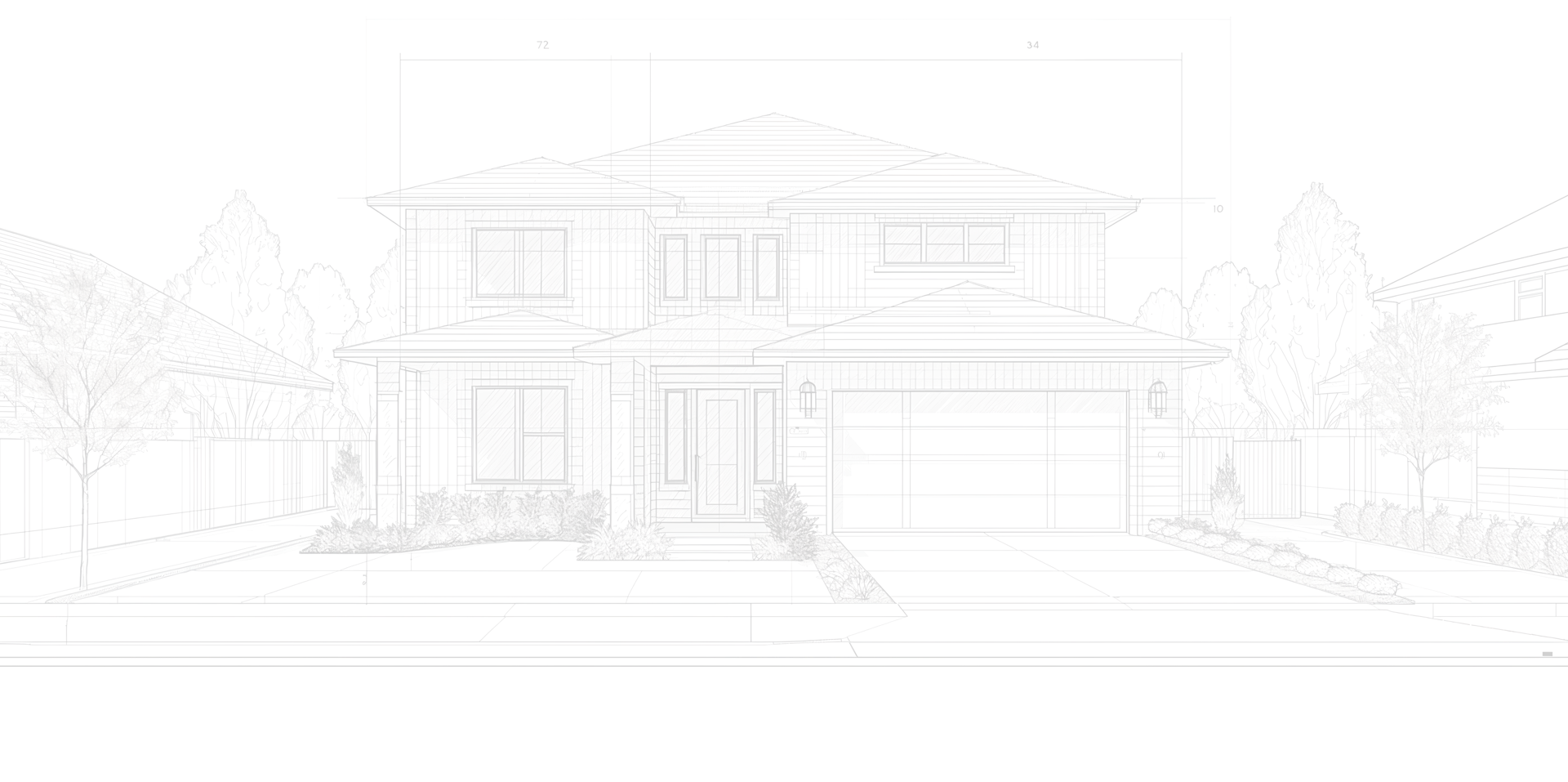
Take a look at the home in the image. Clean lines, well-maintained landscaping, and a sharp, finished roofline—it all works together. But one detail that often gets overlooked in homes like this is the gutter system.
When gutters are in good condition, you barely notice them. And that’s exactly the point.
Old, worn, or sagging gutters can quietly take away from your home’s appearance while also putting it at risk. On the surface, it may seem like a minor issue—just a few dents, some discoloration, or sections that don’t quite align anymore. But underneath, those small problems can lead to much bigger ones.
Replacing old gutters instantly makes your roofline look cleaner and more finished. Straight lines, consistent color, and properly fitted sections create a polished look that complements the rest of the home. It’s one of the simplest upgrades you can make that delivers both visual impact and functional value.
But appearance is only part of the story.
Your gutters have one primary job: to move water safely away from your home. When they’re working properly, rainwater is directed off the roof, through the downspouts, and away from your foundation. When they’re not, that water starts to go places it shouldn’t.
Clogged or aging gutters can overflow, causing water to run down your siding. Over time, this can lead to staining, rot, and even mold growth. If water pools near your foundation, it can create cracks or seep into your basement or crawl space. Roof edges can also suffer, as standing water backs up under shingles and begins to cause damage.
And the tricky part? These issues often develop slowly.
You might not notice anything at first. Maybe just a little overflow during a heavy rain. Maybe a section that pulls away slightly from the house. But as time goes on, those small warning signs can turn into expensive repairs.
Another common issue with older gutters is improper pitch. Gutters need a slight slope to allow water to flow toward the downspouts. Over time, brackets loosen and sections shift, causing water to sit instead of drain. Standing water adds weight, which leads to sagging—and eventually failure.
New gutters solve these problems right away. Properly installed systems are pitched correctly, securely fastened, and designed to handle heavy rainfall efficiently. Modern materials also resist rust, corrosion, and warping, which helps them last longer and perform better.
And just as importantly, they restore confidence.
You no longer have to worry every time it rains. You don’t have to wonder if water is pooling where it shouldn’t be. You know your home is protected.
So the question becomes simple: would new gutters improve your home this year?
If your current system is showing signs of age, the answer is likely yes.
Because replacing old gutters isn’t just about fixing a problem—it’s about preventing the next one while making your home look better in the process.
It’s a small upgrade with a big impact, both above and below the roofline.
If you want to see some options and get a free estimate, this is a solid place to start: Gutter Materials and Installation
Or educate yourself about gutters with these fantastic videos: Understanding Gutter Downspouts, Parts of a Gutter System Explained, and How Much Slope Does a Gutter Need?.