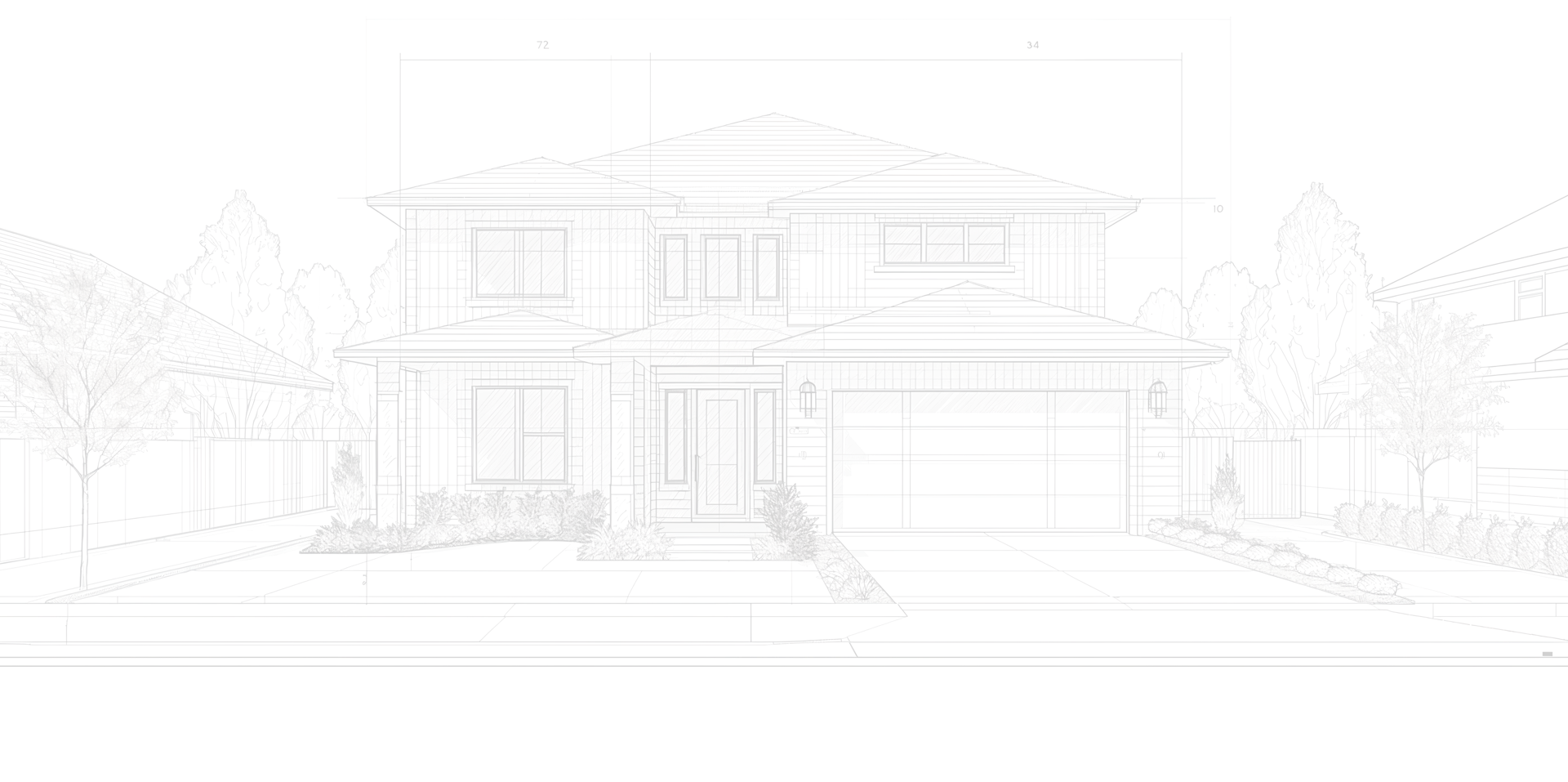
Board and Batten Siding Cost: 2026 Pricing Breakdown
Board and batten siding has become one of the most requested exterior looks in American home design, driven by the modern farmhouse movement and the clean vertical lines it gives a facade. The style is simple in concept: wide boards installed vertically with narrow battens nailed over the seams where the boards meet. The installed cost varies significantly depending on whether you choose wood, vinyl, or fiber cement, and the maintenance commitment differs just as much.
TheRemodelers brings together licensed siding contractors and specialists to help homeowners understand board and batten siding costs, material differences, installation methods, and the maintenance each option requires.
Installed, board and batten siding costs between 5 and 12 dollars per square foot depending on material, region, and how complex the house is. Wood board and batten lands at 5 to 9 dollars per square foot installed. Vinyl board and batten runs 5 to 8 dollars per square foot installed. Fiber cement board and batten costs 7 to 12 dollars per square foot installed. The vertical orientation adds a small premium over horizontal lap siding because the boards run the full height of the wall and require more precise cutting, fitting, and trim work.
What Drives Board and Batten Siding Cost
Material accounts for most of the cost difference between options. Wood is priced per board and the species matters: cedar boards cost more than pine and resist decay and insects naturally, while pine is affordable and paints well but needs priming on every face. Vinyl board and batten is manufactured in vertical panels with molded battens, which keeps the material cost low. Fiber cement is the most expensive material because it is made from cement, sand, and cellulose fibers and carries a 50-year rating.
The installation method is the same across all three: wide boards are fastened to the wall and narrow battens are nailed over every seam, which is what creates the ribbed, paneled look. Boards run from the top of the wall to the bottom, so installers work from scaffolding on tall walls, and corner, window, and door trim adds time, which is why installed prices run higher than horizontal siding.
Wood Board and Batten Options
Cedar is the premium wood choice for board and batten. Western red cedar is lightweight, dimensionally stable, and naturally resistant to moisture and insects, and it holds paint and stain well, which is why it costs at the top of the wood range. Pine is the budget-friendly wood option. It is strong and easy to cut, but every face must be primed before installation or the boards can warp and release tannins through the finish. With proper maintenance, wood board and batten lasts 20 to 40 years depending on species and climate.
Vinyl and Fiber Cement Board and Batten
Vinyl board and batten is sold in vertical panels that install quickly and never need painting. It resists moisture, insects, and impact, lasts 30 years or more, and costs the least of the three options, but vinyl expands and contracts with temperature and very dark colors can warp in direct sun. Fiber cement board and batten combines the look of wood with the durability of cement and is rot resistant, termite resistant, and rated for 50 years in most product lines. It costs more, weighs more, and requires carbide blades to cut, but it holds paint for a decade or more between coats.
Board and Batten Installation: Spacing, Fastening, and Trim Details
The installation method for board and batten is what gives the siding its distinctive look and what determines whether it performs properly over decades. The wide boards are installed first, either vertically or horizontally depending on the design. A gap of about half an inch to three-quarters of an inch is left between each board. The narrow battens are then installed over the gaps, covering the seam between the boards. This is the defining detail of board and batten.
The batten does not just cover the seam for appearance. It creates a shadow line that is deeper than the shadow cast by horizontal lap siding, and that shadow line is what gives board and batten its visual weight and texture. The fastening method depends on the material. Wood boards must be fastened through the face with corrosion-resistant nails or screws driven into the framing. The battens are then nailed over the gap, and the batten nails should only go into the gap between the boards, not into the boards themselves.
This is important because wood moves with moisture and temperature. If the batten is nailed through both the board and the sheathing, the board cannot move independently and the stress will eventually crack the board or pop the batten loose. Vinyl and fiber cement board and batten systems use manufacturer-specific clips, channels, or direct fastening patterns detailed in the installation instructions. The siding pillar page covers broader siding installation considerations across all material types.
Where Board and Batten Looks Best
Board and batten is most commonly associated with the modern farmhouse style that has become popular over the last decade, but the style itself predates the trend by well over a century. It was originally used on barns, outbuildings, and rural homes where wide vertical boards were the most practical way to cover a framed wall before plywood sheathing existed. The board and batten look on a modern farmhouse is actually a historically accurate reference, not a recent invention. It also works well on Craftsman homes, particularly on gable ends and porch details where the vertical lines draw the eye upward.
On a contemporary home, board and batten used as an accent on a single facade, often the front entry or a bump-out, adds texture without overwhelming the clean lines of the overall design. Using it on every wall of a large two-story home can look heavy. Using it selectively creates contrast against smooth stucco or horizontal lap siding on the rest of the house.
The Modern Farmhouse Appeal
Vertical siding has a long history in American barns and utility buildings, and the modern farmhouse trend brought it onto main facades, where it remains one of the defining exterior looks in 2026. Vertical lines draw the eye upward and make a one-story home appear taller, and designers commonly pair board and batten on the lower story with horizontal lap siding on gables and upper floors. Orientation matters for the character of the house: vertical siding reads as farmhouse and rustic-modern, while horizontal siding reads as traditional. The siding pillar and the guide to siding styles and materials cover how the two orientations compare across common house styles.
Maintenance by Material
Wood board and batten needs the most upkeep. Repainting or restaining every 5 to 7 years is typical, and the battens are the first place moisture works its way behind the siding, so caulking and fastener checks matter. Vinyl is essentially maintenance free and only needs an occasional washing with a garden hose. Fiber cement needs repainting every 10 to 15 years, and because the boards are heavy and brittle, repairs usually require a professional. A bowed board or loose batten is a simple repair on wood and vinyl, but fiber cement replacement calls for matching the existing color and cutting with the right blades.
Final Thoughts
Board and batten is a distinctive look that pays for itself in curb appeal, and if the farmhouse aesthetic fits your home, vertical siding is one of the highest-impact exterior changes you can make. The right material depends on your budget, your climate, and how much maintenance you want. Whatever you choose, get three quotes and confirm that each estimate includes trim, fasteners, and removal of the old siding so the price you compare is the price you pay.
When you are ready to get estimates from licensed siding contractors in your area, this free connection service connects you with professionals who offer free no-obligation assessments.
Frequently Asked Questions