Window Grid Styles: Patterns, Costs & Options
Window grids, also called muntins or grilles, divide a window into smaller panes of glass. They are the single design feature that most determines whether a window looks historic, traditional, or modern. A double-hung window with no grids looks clean and contemporary. The same window with a colonial grid pattern looks like it belongs on a 1920s house. The grid choice costs almost nothing compared to the window itself, typically 10 to 50 dollars per window, but it changes the entire appearance of the house from the street.
TheRemodelers brings together licensed window contractors and design professionals to help homeowners understand window grid styles, the difference between full grids and between-glass grids, grid pattern options, and how grids affect window cost and cleaning.
Grids can be installed in three ways. Full grids are permanently attached to both the interior and exterior of the window glass. They create the most authentic look with visible shadow lines and the traditional divided-light appearance. Full grids make cleaning slightly more work because each divided section must be cleaned individually, but the visual difference from the street is significant. Between-glass grids, also called GBGs, are sealed between the panes of a double-pane or triple-pane window.
They create the divided-light look without any grid on the exterior or interior surface, which makes cleaning no different from a gridless window. Removable interior grids clip onto the inside of the window and can be taken off for cleaning and put back on. They are the most flexible option for homeowners who want the option to change the look later or who want the divided-light appearance on the street side only.
Grid Pattern Options and What They Look Like
Colonial grids divide the window into equal rectangles. On a standard double-hung window, the colonial pattern splits the top sash into 6 or 9 panes and the bottom sash into 6 or 9 panes, creating a symmetrical divided-light look. This is the most common grid pattern on traditional and colonial-style homes across the United States. The colonial pattern is what most people picture when they think of a divided-light window.
Prairie grids divide the perimeter of the window into smaller rectangles around a large central pane. The grid lines run around the edges of the glass, leaving an unobstructed view through the center. Prairie grids are associated with Frank Lloyd Wright and Craftsman-style homes. They frame the view rather than dividing it, which makes them popular on homes with a view where the homeowner wants the grid detail without blocking the sightlines.
Diamond grids divide the glass into diamond shapes rather than rectangles. They are used on Tudor, French country, and some Victorian homes. Diamond grids are more expensive than rectangular grids because the angled cuts create more waste and require precise fitting. The cost premium is 20 to 50 dollars per window over standard rectangular grids, which is still modest in the context of window replacement that costs 500 to 1,500 dollars per window.
Custom grid patterns are available from most window manufacturers for an additional setup charge of 50 to 200 dollars per window depending on the pattern complexity. A top sash with a radius or arched grid pattern that matches a curved window opening is a custom option that adds significantly more because the grid bars must be bent to the specific curve of the window.
Matching Grids to Your Home's Architecture
The grid pattern on a window should match the architecture of the house, not the trend of the moment. A colonial revival home with no window grids looks like it is missing something essential. A mid-century modern home with full colonial grids looks like someone put the wrong windows in. The grid pattern is one of the few exterior details that communicates the architectural style of the house from 100 feet away, and getting it wrong is noticeable even to people who cannot articulate why the house looks off.
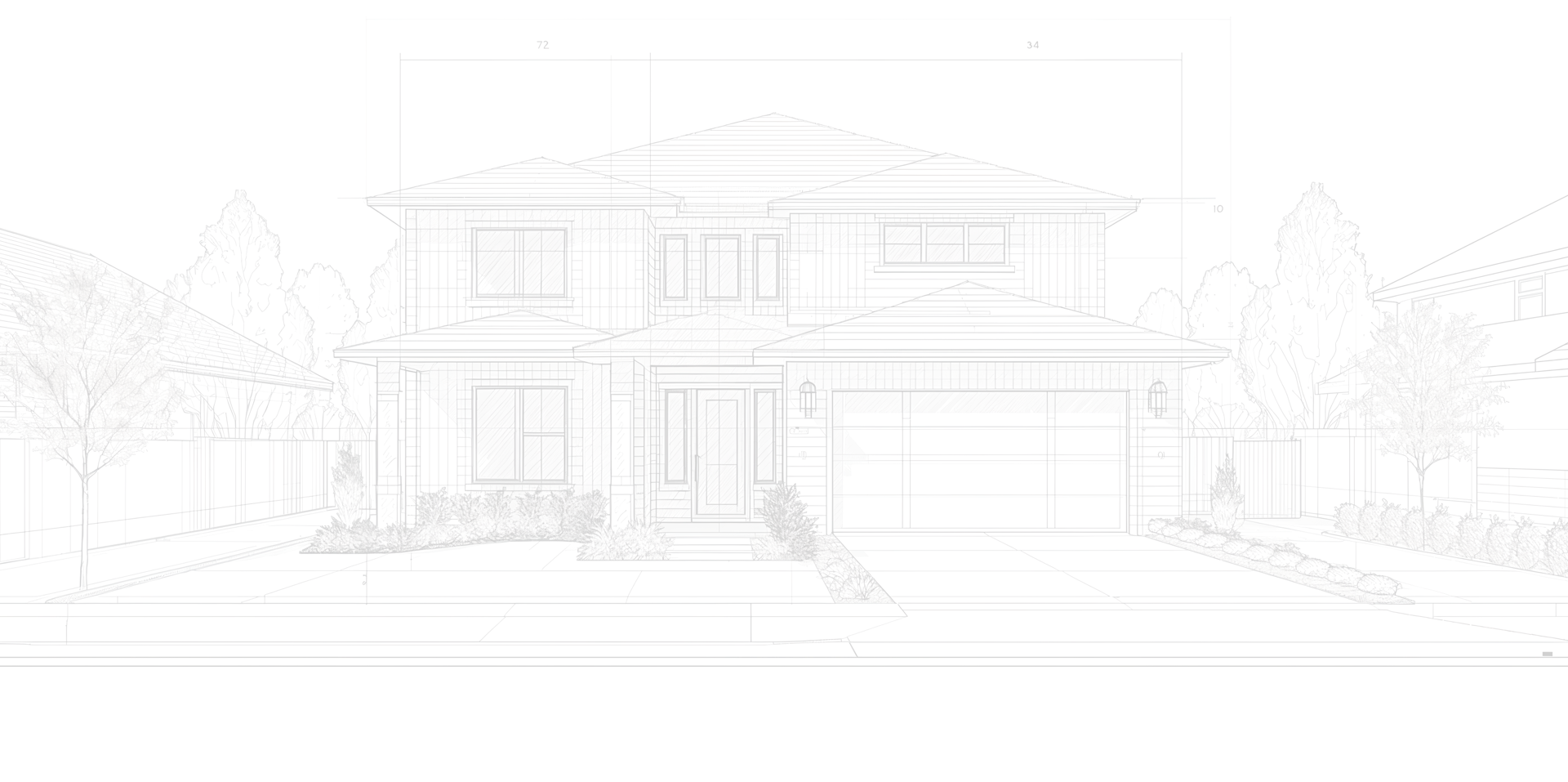
Traditional colonial, Georgian, and Federal homes look correct with symmetrical colonial grids in both the upper and lower sashes. Victorian homes can handle more elaborate patterns including diamond grids or a combination of grid patterns on different windows. Craftsman and Prairie-style homes look best with prairie grids that frame the perimeter and leave the center clear, which matches the horizontal emphasis of those architectural styles.
Contemporary and mid-century modern homes generally look best with no grids at all, allowing the clean lines of the window frame to be the only visual element. Ranch homes from the 1950s through 1970s fall somewhere in between, often looking right with a simple fractional grid or no grids depending on the specific design of the house. The window pillar page covers the full window selection process including how grid patterns fit into the overall design.
Grid Width and Profile: The Detail That Changes the Look
Grid bar width affects how the window reads from the street. Standard flat grids are about five-eighths of an inch wide and sit flat against the glass surface. This is the default profile on most replacement windows and it works for most homes. A narrower grid bar, about half an inch, reads as more delicate and is closer to the proportion of a true divided light window from the early 20th century. A wider grid bar, about three-quarters of an inch, reads as more substantial and works on larger windows where a standard-width grid would look too thin against a large expanse of glass.
Contoured grids have a shaped profile rather than a flat face. The contour adds a shadow line that mimics the look of a traditional wood muntin, the structural bar that actually separated individual panes of glass in old windows. True divided light windows from the 1800s had wooden muntins with a shaped profile that cast a shadow. Modern contoured grids replicate that shadow without the structural purpose.
The difference between a flat grid and a contoured grid is subtle from a distance but noticeable up close, and it matters on higher-end homes where the window details are visible from the front walkway or porch. Contoured grids add 15 to 30 dollars per window over flat grids, a modest cost for a detail that changes the entire character of the window up close. The guide to fractional window grids covers another grid option that splits a single sash at an uneven proportion rather than dividing it into equal rectangles.
Grid Material and Profile Options
Flat grids are the standard profile. They are flat bars about five-eighths of an inch wide applied to the glass surface. Contoured grids have a raised profile that mimics the look of a true divided light window from the 19th century. The contoured profile casts a shadow similar to the shadow cast by a real wooden muntin bar that actually separates individual panes of glass. Contoured grids cost 15 to 30 dollars more per window than flat grids.
Grid material matters for exterior durability. Aluminum grids are standard on most vinyl and aluminum windows. Wood grids are available on wood windows but require painting and maintenance like the rest of the wood window. Vinyl grids are available on vinyl windows and never need painting but can warp slightly in extreme heat if they are on the exterior and exposed to direct sun on a dark-colored window.
The guide to window frame materials covers the full range of frame and grid material options. The window pillar page covers broader window selection and replacement costs.
Final Thoughts
Window grids are a small cost item that has an outsized effect on curb appeal. A house with the wrong grid pattern looks like the windows do not belong, even if the average person cannot articulate why. A house with the right grid pattern looks finished and intentional. The grid decision should match the architectural style of the house, not the trend of the year. Colonial grids on a colonial house will look correct in 30 years. Farmhouse grids on a ranch house will not.
When you are ready to get estimates from licensed window contractors in your area, this free connection service connects you with professionals who offer free no-obligation assessments.
Frequently Asked Questions