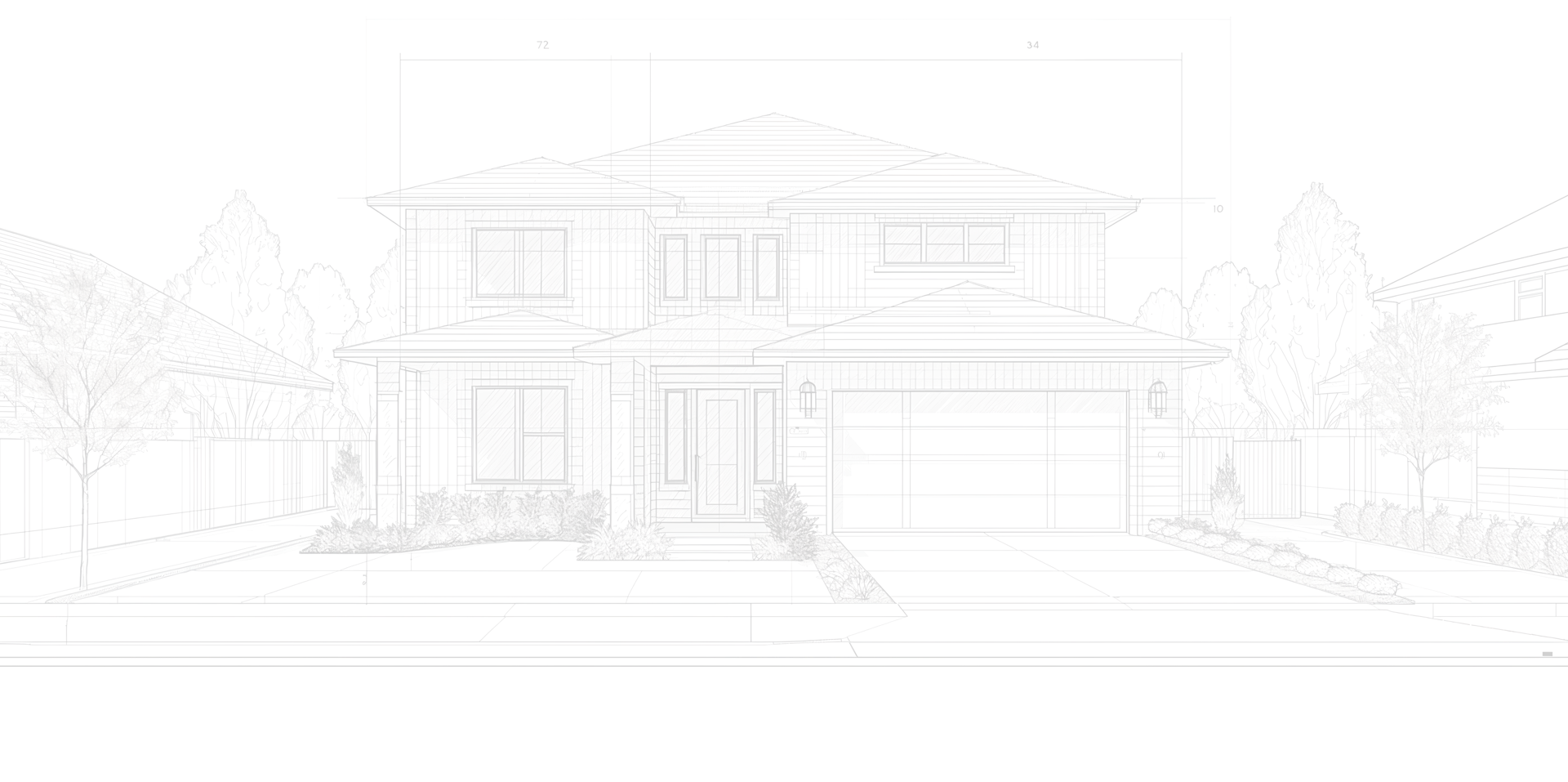
While shingles and siding dominate curb appeal discussions, the transitional boundary between your roofline and exterior walls is anchored by two critical components: soffits and fascia boards. The fascia is the vertical board mounted directly to the exterior ends of the roof rafters, serving as the mounting foundation for your rain gutter assembly. The soffit is the horizontal panel that spans the underside of the roof eave overhang, enclosing the space between the fascia and the exterior wall.
Far from being mere trim, the soffit and fascia assembly serves two vital functions: it prevents rain and pests from entering your attic framing, and it acts as the primary intake for balanced attic ventilation. When soffits fail or fascia boards rot, the effects compound — attic heat builds up, winter ice dams form, gutters sag, and sub-roof structural rot accelerates. Understanding material options and real replacement costs helps homeowners protect the rest of the roof system from this kind of cascading damage.
Material Options and Replacement Cost Per Linear Foot
Soffit and fascia projects are measured and priced by linear foot. In 2026, professional replacement costs for both soffit and fascia combined typically range from $15.00 to $35.00 per linear foot, depending on material.
Material | Cost Per Linear Foot | Notes |
|---|
Perforated aluminum soffit & wrapped fascia | $14.00 – $22.00 | Heavy-duty .019" factory-baked enamel aluminum coil over wood fascia, paired with vented aluminum soffit panels. No painting required, fire-resistant, immune to rot and wood-boring insects. |
Vinyl / PVC soffit panels | $11.00 – $18.00 | Lightweight, budget-friendly, maintenance-free. Available solid or center-vented. Can become brittle and crack in severe sub-zero temperatures. |
Traditional wood (pine / cedar / fir) | $16.00 – $30.00 | Solid 1x6 or 1x8 primed cedar or spruce boards. Requires repainting every 3 to 5 years and is highly vulnerable to moisture rot if gutters overflow. |
Cellular PVC / composite trim (AZEK, Kleer) | $22.00 – $36.00+ | 100% cellular PVC that cuts and fastens like wood but never absorbs moisture, swells, or rots. The premium choice for coastal and humid climates. |
Fiber cement fascia (James Hardie) | $18.00 – $28.00 | Non-combustible, rot-proof, dimensionally stable. Requires specialized diamond cutting tools and heavy-duty structural fastening. |
Attic Intake Ventilation: Why Soffit Vents Matter
Under International Residential Code (IRC Section R806) standards, residential attics must maintain balanced natural cross-ventilation based on a 1:150 ratio of vent area to attic floor area — or 1:300 when balanced ridge and eave vents are specified. Vented soffits are the critical lower "intake" side of the passive thermal stack effect.
The thermal stack effect — hot, moist air naturally rises and escapes through high-elevation roof ridge vents. This exhaust creates negative pressure in the attic that continuously draws cool, fresh outside air inward through the perforated soffit vents below.
The danger of unvented or blocked soffits — if solid, unvented soffits are installed, or if blown-in attic insulation blocks the eave baffles, the thermal stack collapses. In summer, attic temperatures can climb past 150°F, baking shingles and inflating cooling costs. In winter, trapped warm interior air melts roof snow, triggering ice dam leaks.
Net Free Vent Area (NFVA) — professional installers calculate NFVA ratings to ensure continuous perforated soffit panels provide at least 9 to 12 square inches of unobstructed airflow per linear foot of eave.
The Gutter Connection: Why Fascia Rot Causes Gutter Failure
The fascia board is the sole structural anchor point supporting your entire gutter assembly. When gutters overflow from debris clogs or improper slope, water spills over the back wall of the gutter and soaks directly into the wooden fascia board. Over time, the wood fibers break down into spongy dry rot, and gutter hanger screws pull free.
Sagging gutters then tilt backward, compounding water intrusion behind the siding. Rotted fascia boards should be fully removed and replaced with structural preservative-treated wood or cellular PVC before new seamless gutters are hung — hanging new gutters on rotted fascia just repeats the failure.
Fascia Board Fastening: Load Transfer and Rafter Attachment
The structural stability of your eave overhang depends entirely on how the fascia board transfers mechanical load into the building's roof rafters.
Fastener specifications — smooth-shank framing nails can pull loose under seasonal freeze-thaw cycles. Professional carpenters fasten fascia boards using 2.5-inch or 3-inch hot-dipped galvanized or 304 stainless steel ring-shank nails, driven in pairs directly into each rafter tail on 16-inch or 24-inch centers.
Sub-fascia framing integration — on high-end or heavy gutter installations, a structural 2x6 spruce sub-fascia is installed first, providing a solid 1.5-inch structural backing, followed by an exterior decorative cellular PVC or aluminum fascia trim board.
Drip edge flashing integration — metal roof drip edge flashing must extend at least 1/2 inch beyond the fascia board and overlap the back wall of the gutter trough, ensuring rainwater flows directly into the gutter channel rather than wicking backward behind the fascia.
Ice Dam Prevention: How Soffit Ventilation Protects the Eave
In freezing winter climates, rotted fascia boards and interior ceiling water damage are frequently caused by ice dams along the roof eave. Understanding the relationship between soffit ventilation and roof freeze cycles is essential to protecting the building envelope.
How an ice dam forms — when attics lack proper continuous soffit ventilation, warm heat escaping from living spaces becomes trapped beneath the roof deck. This heat warms the upper roof shingles, melting the underside of the snowpack. The meltwater flows downward until it reaches the cold, unheated eave and gutter overhang, where it refreezes into an ice dam.
Water backup under shingles — as the ice dam grows, standing meltwater pools behind the ice ridge, backing up underneath the shingles and soaking directly into the roof decking, soffits, and fascia boards.
The continuous soffit solution — installing continuous perforated soffit vents ensures cool outdoor air sweeps across the underside of the roof deck, keeping the roof surface at a more uniform, cold temperature that prevents snowmelt and stops ice dams from forming in the first place.
Paint and Coating Systems for Wood Fascia
Because wood fascia boards absorb direct solar radiation and rain backsplash off the roof drip edge, standard exterior paint tends to fail early through peeling, blistering, and chalking. Preserving wood fascia over the long term requires higher-performance coating choices.
100% acrylic latex elastomeric paints — formulated with flexible polymers that expand and contract with the wood substrate through seasonal temperature swings, reducing micro-cracking and moisture penetration.
Slow-drying oil-based penetrating primers — raw wood fascia should be fully back-primed and end-sealed with a deep-penetrating primer before installation, to prevent capillary water absorption from gutter overflow.
Factory pre-finished aluminum fascia wraps — the maintenance-free option. High-grade 0.024-inch aluminum trim coil is custom-formed over the wood fascia board, providing 30-plus years of weather protection with a baked-on enamel finish.
Total Project Cost: A Real Example
For a typical two-story, 2,200-square-foot home with 160 linear feet of roof eave perimeter, full soffit and fascia replacement typically totals between $2,800 and $5,500, depending on material selection, wall height, and scaffold access requirements. When factored into a broader roof repair, replacing compromised soffit and fascia restores structural integrity, eliminates a pest entry point, and helps protect roof warranty coverage.
Final Thoughts
Soffit and fascia are easy to overlook until they fail, but they do real structural and ventilation work every day — supporting the gutters, sealing the attic from pests, and keeping the thermal stack effect working the way it's designed to. Catching rot early, before it spreads into the rafter tails or takes the gutters down with it, keeps this a manageable repair instead of a much larger one.
Frequently Asked Questions
Can you repair a section of rotted fascia without replacing the entire roofline?
Yes. If rot is localized to a single corner or a downspout overflow zone, carpenters can remove the affected gutter section, cut away the decayed wood back to sound rafter tails, splice in a matching piece of pressure-treated lumber or cellular PVC using exterior structural screws, and reinstall aluminum fascia wrap for a seamless, watertight blend.
What are the early warning signs that soffits or fascia need replacement?
Common warning signs include peeling or flaking paint along the eave trim, spongy or soft wood that yields under screwdriver pressure, dark moisture staining or green algae streaks beneath gutters, visibly sagging gutters pulling away from the roofline, and wasps, hornets, or squirrels colonizing attic spaces through deteriorated soffit corners.
Do I need to take my gutters down to replace fascia boards?
Yes. Because gutters are fastened directly through the fascia into the rafter tails, gutters must be detached to access, remove, and replace rotted fascia lumber. If the existing gutters are older sectional aluminum with compromised seams, contractors frequently coordinate fascia replacement with new seamless gutter installation at the same time to save on duplicate labor costs.
What is the best material for soffits and fascia?
For most homeowners, continuous vented aluminum soffit panels paired with aluminum-wrapped wood fascia or solid cellular PVC deliver the best balance of longevity, airflow, fire resistance, and low-maintenance durability. Both options eliminate recurring painting cycles and are effectively immune to wood rot.
Related Guides
For additional pricing and planning detail, see the complete guide to roof replacement, the guide to gutter installation and eave protection, and the guide to roof repair cost.
When you are ready to get estimates from licensed roofing contractors in your area, Home Upgrade Pros connects you with pre-screened, licensed, and insured specialists, or call (702) 620-6514.