Windows Not Letting in Light? Time to Upgrade
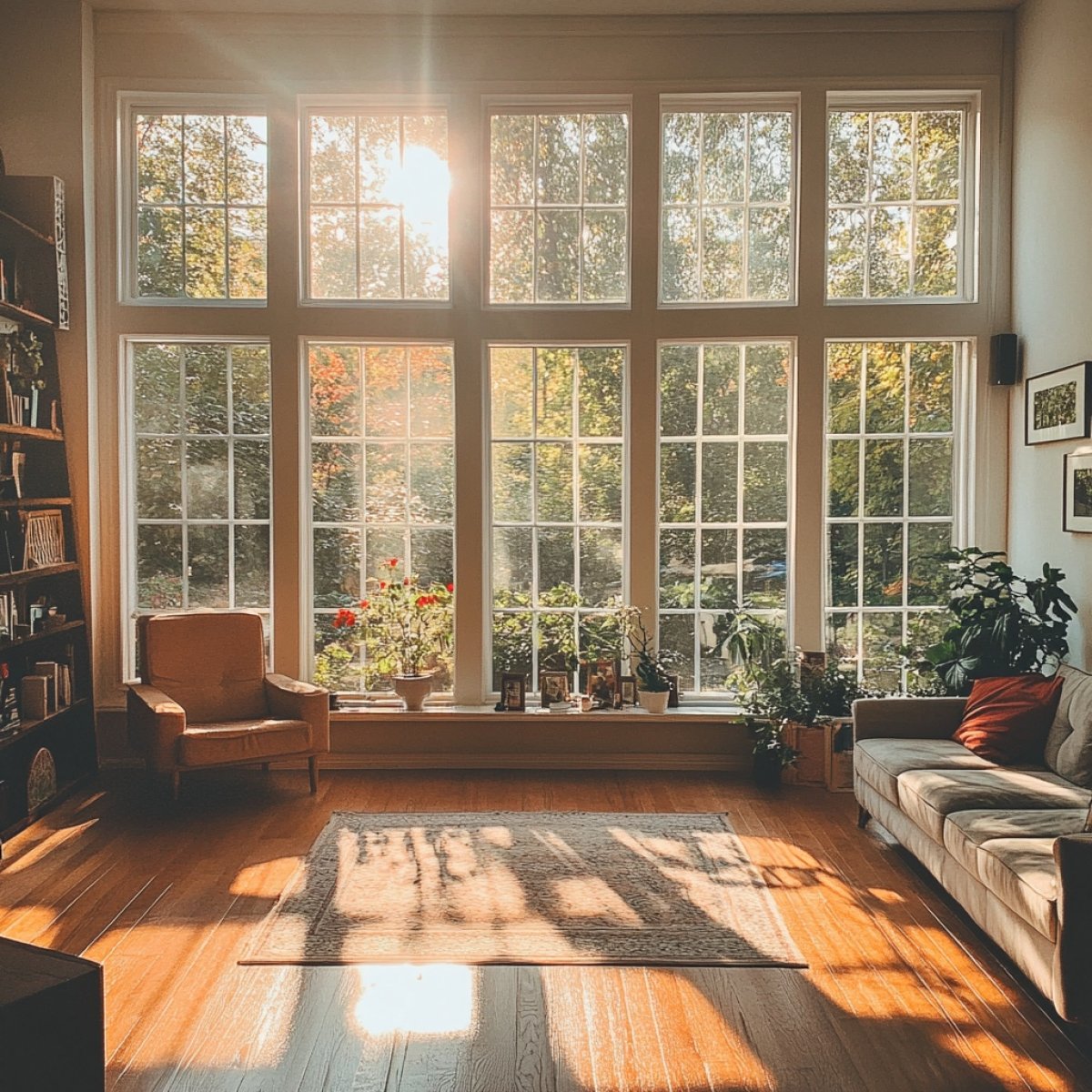
If your windows aren't letting the light in like they should, or like they used to, the cause is usually one of a few fixable things: glass that blocks more light than it needs to, bulky frames, grids, failed seals, or windows that are simply in the wrong place or too small for the room. This guide explains what controls how much daylight a window lets in, and what to look for if brightness is the main reason you're upgrading. The windows projects hub covers the wider replacement decision.
What Controls How Much Light a Window Lets In
Factor | How It Affects Light | What to Look For |
|---|
Glass and coatings | Some Low-E coatings and tints block part of the visible light along with heat | A higher Visible Transmittance (VT) rating on the window label |
Frame and sash size | Thick frames and meeting rails take up area that could be glass | Slimmer frames; styles with more glass, such as casement and picture windows |
Grids | Divided-light grids cover part of the glass | Fewer or no grids where light matters most |
Glass condition | Fog between the panes and haze from a failed seal dull the light | Replacing the failed glass unit or window |
Size and placement | Small or poorly placed windows can't light the whole room | Larger openings, lower sills, or added skylights and transoms |
Check the Visible Transmittance Rating
Every rated window's energy label lists its Visible Transmittance (VT), a number between 0 and 1 that measures how much visible light passes through the glass. The higher the number, the more daylight you get. Low-E coatings are designed to block heat rather than light, but some, especially those tuned to block the most solar heat in hot climates, also cut more visible light. If brightness is a priority, compare VT ratings side by side, and ask about a Low-E package that keeps VT high. Our guide to Low-E glass coatings and our guide to window glass options explain the choices.
Tint and window film work the same way: they reduce glare and protect floors and furniture from fading, but they also reduce how much light comes in. Our guide to window tinting for UV protection covers that trade-off.
More Glass, Less Frame
Two windows with the same rough opening can let in very different amounts of light, because frames take up space. Slimmer, stronger frame materials leave more room for glass, and the window style matters too: a double-hung window has a meeting rail across the middle, while casement and picture windows offer a larger, uninterrupted pane. Our window frame materials comparison and the guide to different types of home windows compare the options.
Grids also cover part of the glass. If you love the divided-light look, choose the pattern carefully; our window grid styles guide covers simpler patterns that keep more of the view.
When the Glass Itself Is the Problem
If your windows used to be brighter, check for fog or haze between the panes. That usually means the seal has failed and moisture has gotten inside the glass unit, which no amount of cleaning will fix. Our guide to foggy window glass explains when replacing just the glass makes sense and when the whole window should go.
Adding Light Where Windows Can't Reach
Some rooms are dark because of where they are, not because of their windows. Interior rooms, hallways, and stairwells often have no exterior wall at all. Skylights and tubular skylights bring daylight in from above, and a transom over a door borrows light from the next room. Our guides to skylight installation cost and transom window cost cover both, and our architect's guide to window design mistakes to avoid explains how sill height and placement change how a room feels.
The Other Benefits, Without the Hype
Brighter rooms are rarely the only reason to upgrade, but the other benefits are worth keeping in perspective:
Comfort and energy: new windows eliminate drafts and cold spots right away. The savings on energy bills are real but more modest than window marketing often suggests; our guide to how much new windows cost covers realistic numbers.
Noise: better glass packages can noticeably cut traffic and neighborhood noise. Our guide to the best windows for soundproofing explains what to look for.
Resale: replacement windows typically recover a meaningful share of their cost at resale, and brighter rooms photograph and show better, but they don't recover the full cost.
Final Thoughts
If your home feels darker than it should, start by finding the cause: glass that blocks too much light, frames and grids that crowd the glass, failed seals, or windows that are too small or in the wrong place. Once you know which one it is, the fix is usually clear, and a new window chosen for a high VT rating, a slim frame, and the right placement can make a room feel completely different. Our guides to removing and installing windows and how long window installation takes explain what the project involves.
When you are ready to get estimates from licensed window contractors in your area, Home Upgrade Pros connects you with professionals who offer free no-obligation assessments, or call (725) 313-0738.